Introduction
You just walked through the door after a long day. You're hungry, tired, and the thought of spending an hour in the kitchen feels impossible. Sound familiar? Here's the good news: you're about to discover that delicious, homemade dinners don't require culinary school training or endless hours of prep.
This guide is for you—whether you're a complete cooking newbie who's intimidated by recipes, a busy professional who's been surviving on takeout, or anyone who wants to spend less time cooking and more time enjoying their food. We're going to break down exactly how to get a satisfying dinner on the table in just 15 minutes, using techniques so simple you'll wonder why no one taught you sooner.
Photo by Gina's Auckland on Unsplash
What Are 15-Minute Dinners?
A 15-minute dinner is exactly what it sounds like: a complete meal you can prepare from start to finish in about a quarter of an hour. But let's be clear about what this actually means in practice.
We're talking about active cooking time—the minutes you spend chopping, stirring, and assembling. This doesn't include the time it takes to gather ingredients or clean up afterward. The goal is to minimize the hands-on work while maximizing flavor.
These meals typically share a few characteristics:
- Quick-cooking proteins like shrimp, eggs, thinly sliced chicken, or canned beans
- Minimal chopping through smart ingredient choices or pre-prep
- One or two pans to keep things simple and cleanup easy
- Bold flavors that come together fast, like garlic, citrus, or quality jarred sauces
Why Should You Care About Quick Cooking?
Learning to cook quick dinners isn't just about saving time—though that's certainly a major benefit. It's about taking control of what you eat without letting cooking take over your life.
According to the USDA's Dietary Guidelines, home-cooked meals tend to be lower in sodium, added sugars, and unhealthy fats compared to restaurant and takeout food. But knowing that doesn't help when you're exhausted and staring at an empty fridge.
Beyond the financial benefits, quick cooking skills give you:
- Flexibility to eat what you want, when you want
- Confidence in the kitchen that builds over time
- Healthier habits without the stress of complicated meal plans
- More free time for the things that actually matter to you
Getting Started: What You Need
Before you start cooking, let's make sure you have the basics covered. You don't need a fancy kitchen or expensive equipment—just a few essentials that will make quick cooking possible.
-
Non-stick is most beginner-friendly; stainless steel works great once you're comfortable
-
For boiling pasta, heating sauces, or making grains
-
A dull knife is actually more dangerous and slows you down significantly
-
Plastic or wood—just make sure it doesn't slide around
-
Spatula, wooden spoon, tongs, and a colander for draining
-
Essential for following recipes until you develop intuition
For pantry staples, focus on ingredients that add instant flavor without extra work:
- Olive oil and butter for cooking
- Salt and black pepper (freshly ground if possible)
- Garlic (fresh cloves or pre-minced in a jar)
- Dried pasta in your favorite shapes
- Canned beans and tomatoes
- Soy sauce or tamari for quick Asian-inspired dishes
- Chicken or vegetable broth (boxed is fine)
- Your favorite hot sauce or chili flakes
Basic Concepts: The Speed-Cooking Fundamentals
Speed in the kitchen comes down to understanding a few core principles. Master these, and you'll naturally become faster with every meal you make.
Heat Is Your Friend (When Used Right)
Many beginners are afraid of high heat, but it's essential for quick cooking. A properly preheated pan sears proteins quickly and develops flavor through what's called the Maillard reaction—that beautiful browning that makes food taste incredible.
The rule: Preheat your pan for 1-2 minutes before adding oil, then let the oil heat for another 30 seconds before adding food. You should hear a sizzle when ingredients hit the pan.
Mise en Place (Everything in Its Place)
This French term simply means having all your ingredients prepped and ready before you turn on the stove. For 15-minute meals, this is non-negotiable. Take 3-4 minutes to:
- Chop any vegetables
- Open cans and measure sauces
- Get proteins out of packaging
- Set out spices you'll need
Size Matters for Cooking Time
Smaller pieces cook faster than larger ones. If a recipe calls for chicken breasts, you can cut them into thin strips or pound them flat to reduce cooking time dramatically—from 20+ minutes to under 10.
Don't Crowd the Pan
When you put too much food in a pan at once, the temperature drops and food steams instead of sears. Cook in batches if needed, or use a larger pan.
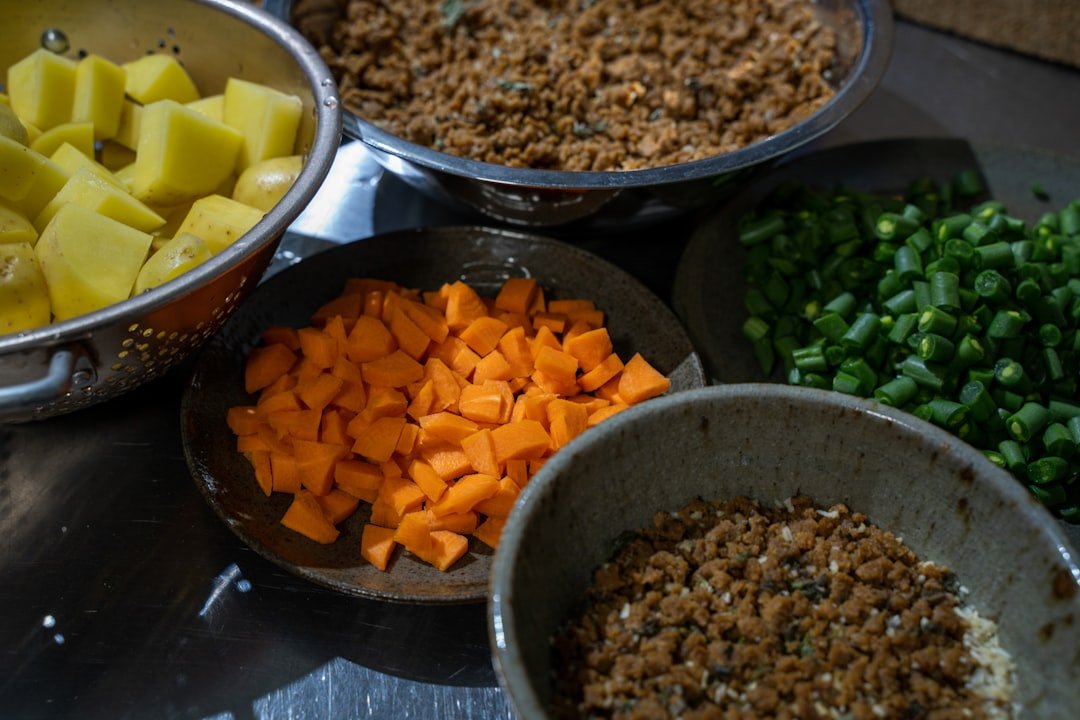
Photo by Gilberto Olimpio on Unsplash
Common Beginner Mistakes to Avoid
Every cook makes mistakes—it's how we learn. But knowing the most common pitfalls can save you frustration and failed dinners.
- Reading the entire recipe before starting
- Prepping ingredients before turning on heat
- Tasting as you cook and adjusting seasoning
- Starting with simple recipes and building skills
- Keeping your cooking area clean as you go
- Jumping straight to cooking without prep
- Following recipes too rigidly without tasting
- Trying complex techniques before mastering basics
- Overcrowding pans with too many ingredients
- Walking away from the stove during quick cooking
The Biggest Mistake: Not Salting Properly
Underseasoning is the number one reason home-cooked food tastes bland compared to restaurant meals. Season proteins before cooking, salt pasta water generously (it should taste like the sea), and taste your food before serving.
Second Biggest: Giving Up Too Soon
Your first few 15-minute dinners might take 25 minutes. That's completely normal. Speed comes with practice. The fifth time you make a dish, you'll be twice as fast as the first time.
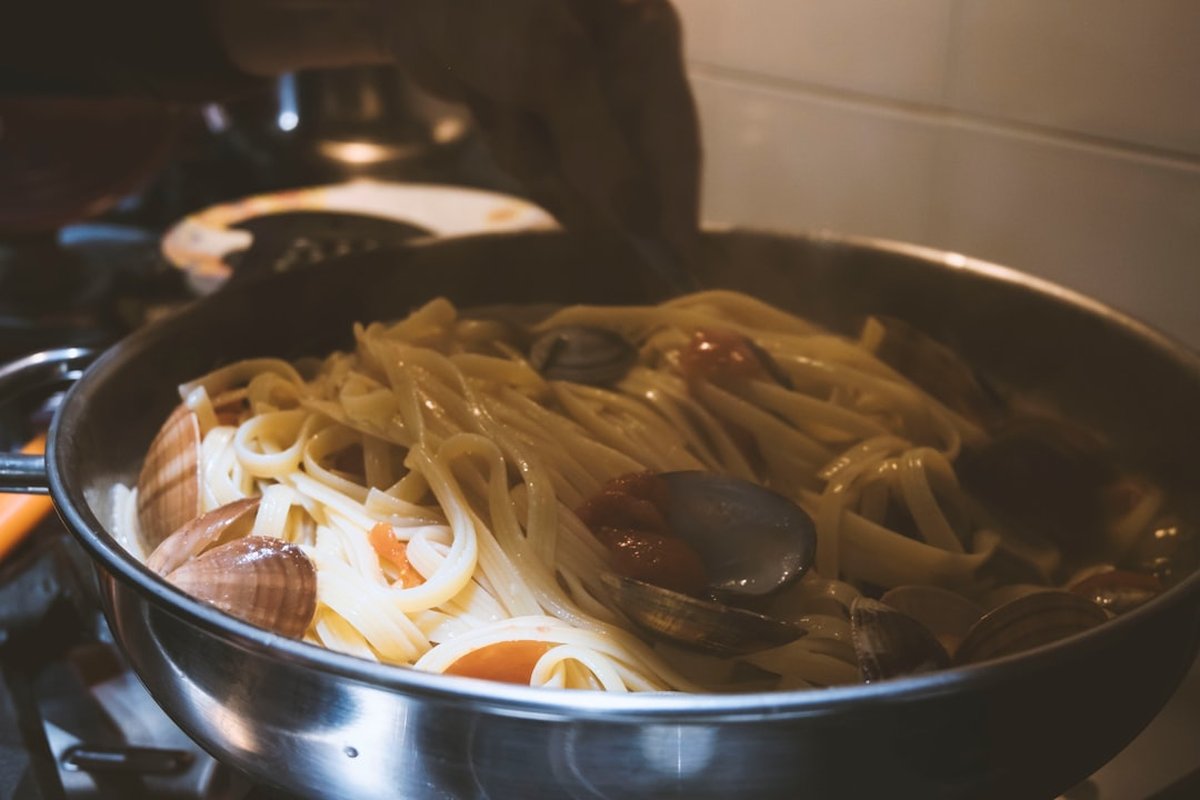
Your First 15-Minute Dinner: Garlic Butter Shrimp Pasta
Let's put everything together with a recipe that looks impressive but is nearly impossible to mess up. This garlic butter shrimp pasta has become a Hungry Duck reader favorite for good reason.
What You'll Need: - 8 oz angel hair pasta (cooks in 4 minutes) - 1 lb raw shrimp, peeled and deveined (buy them this way to save time) - 4 tablespoons butter - 4 cloves garlic, minced (or 1 tablespoon jarred minced garlic) - ¼ teaspoon red pepper flakes - Salt and black pepper - Juice of 1 lemon - Fresh parsley, chopped (optional)
The Method:
-
Start your water (minute 0): Fill a pot with water, cover, and bring to a boil over high heat. Add salt generously.
-
Prep while waiting (minutes 1-4): Mince garlic, juice lemon, season shrimp with salt and pepper.
-
Cook pasta (minutes 4-8): Once boiling, add pasta. Set a timer for 4 minutes.
-
Start the shrimp (minute 8): In a large skillet over medium-high heat, melt 2 tablespoons butter. Add shrimp in a single layer. Cook 2 minutes per side until pink.
-
Build the sauce (minutes 10-12): Remove shrimp. Add remaining butter, garlic, and red pepper flakes. Cook 30 seconds until fragrant.
-
Bring it together (minutes 12-15): Drain pasta (save ½ cup pasta water). Add pasta to skillet with lemon juice. Toss to coat, adding pasta water if needed. Return shrimp to pan, toss, and serve.
That's it. Restaurant-quality dinner, 15 minutes, minimal cleanup.
Three More Foolproof 15-Minute Recipes
Once you've mastered the shrimp pasta, expand your repertoire with these equally simple options.
Sheet Pan Quesadillas
Lay large flour tortillas on a sheet pan, add shredded cheese, canned black beans, and any leftover vegetables to one half. Fold over and broil 2-3 minutes per side. Serve with salsa and sour cream.
Egg Fried Rice
Use day-old rice (or microwave instant rice). Scramble eggs in a hot wok or skillet, set aside. Add oil, cold rice, soy sauce, and frozen peas. Stir-fry until hot, add eggs back, done. The Serious Eats guide to fried rice breaks down the technique perfectly if you want to go deeper.
Mediterranean Chickpea Bowl
Drain a can of chickpeas and toss with olive oil, lemon juice, salt, and dried oregano. Serve over pre-washed salad greens with cherry tomatoes, cucumber, feta cheese, and store-bought hummus. No cooking required.
| Recipe | Protein | Difficulty | Best For |
|---|---|---|---|
| Garlic Shrimp Pasta | Shrimp | Easy | Date night, impressing guests |
| Sheet Pan Quesadillas | Beans/Cheese | Very Easy | Kids, quick lunch |
| Egg Fried Rice | Eggs | Easy | Using leftovers |
| Chickpea Bowl | Chickpeas | No Cook | Hot days, minimal effort |
Next Steps: Building Your Quick-Cooking Skills
You've got the basics down. Here's how to keep improving:
Week 1-2: Make the recipes in this guide at least twice each. Notice how much faster you get the second time.
Week 3-4: Start modifying recipes based on what you have. Swap shrimp for chicken strips, use whatever vegetables are in your fridge, try different sauces.
Month 2: Begin creating your own quick meals by combining: - A protein (eggs, canned beans, pre-cooked chicken, shrimp) - A base (pasta, rice, bread, greens) - A sauce or dressing (pesto, soy sauce, vinaigrette) - Vegetables (whatever needs to be used up)
Ongoing: Build a personal rotation of 5-7 quick dinners you can make without thinking. This becomes your weeknight survival kit.
Ready for More Quick Meal Ideas?
Explore our complete collection of 30-minute recipes and weekly meal prep guides designed for busy home cooks.
Browse Quick RecipesFrequently Asked Questions
Conclusion
Here's the truth about cooking: nobody starts out fast. Speed comes from repetition, from making the same knife cuts dozens of times, from learning how your specific stove behaves, from building muscle memory around the recipes you love.
The 15-minute dinner isn't a gimmick—it's a completely achievable goal for anyone willing to start simple and practice consistently. You now have the knowledge, the techniques, and a handful of reliable recipes to get started.
Your first attempt might take 20 minutes. Your tenth attempt at the same recipe will probably take 12. And somewhere along the way, you'll stop watching the clock entirely because cooking will have become something you actually enjoy.
So pick one recipe from this guide. Buy the ingredients tomorrow. And make dinner. That's all it takes to begin.
Welcome to the world of quick cooking—your tired, hungry, future self is already thanking you.
Comments
No comments yet. Be the first to comment!
Leave a Comment